Anterior-Approach Hip Surgery and the Role of the Table
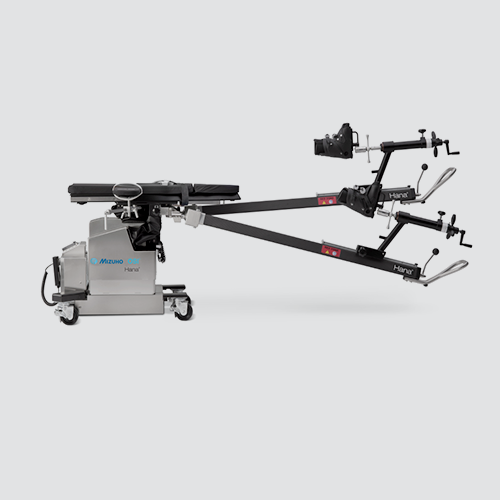
Anterior-approach total hip replacement has grown because it can spare muscle and speed early recovery. It also places real demands on positioning. The approach depends on the ability to position and apply traction to each leg independently, which is where a dedicated orthopedic table becomes part of the procedure itself.
A table built for the approach
A radiolucent orthopedic table such as Mizuho OSI Hana positions each leg independently and applies controlled traction, enabling anterior-approach hip replacement, hip fracture work, hip arthroscopy and lower-limb trauma. Radiolucency keeps intraoperative imaging clean, which matters for confirming implant position.
Part of a table family
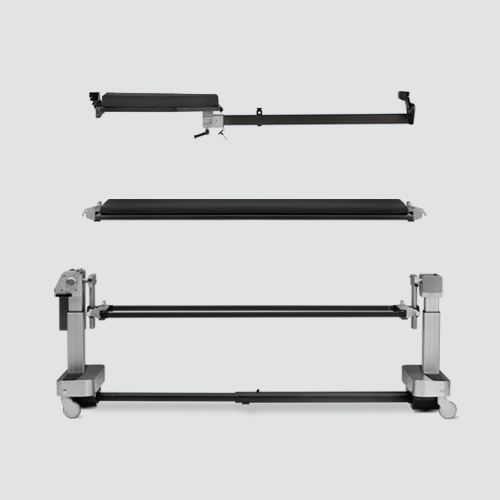
The orthopedic table is one member of a wider family of radiolucent, modular platforms. A hospital that standardizes on one table system can move between spine, trauma and orthopedic configurations while keeping the same imaging-friendly base, which simplifies training and maintenance.
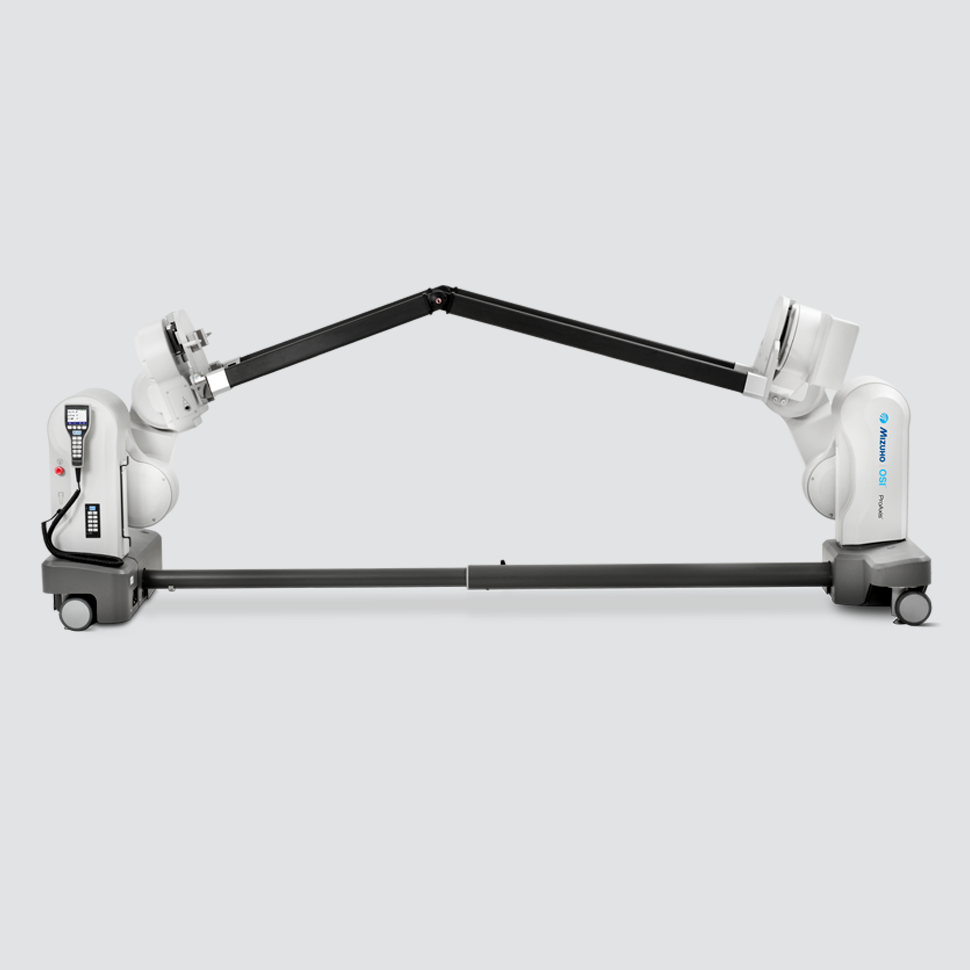
Brainz helps orthopedic programs choose positioning that fits their case mix, treating the table as a clinical tool that shapes the approach, not as background equipment.
Product availability, indications, regulatory status and clinical use vary by country and follow manufacturer documentation and applicable regulatory approvals. Trademarks belong to their respective owners.