 Visualization
Mixed Reality Surgery in 2026: Where It Actually Works
The field separated 3D planning review, which is ready now, from live overlay on the patient, which is not. What that means for a hospital deciding where to spend.
 Regenerative Medicine
BioBridge After Lymph Node Transfer: The Evidence So Far
A collagen scaffold implanted alongside lymph node transfer to guide lymphatic repair. What the published evidence supports today, and what is still being tested.
 Oncology
ExacTrac Dynamic: Tracking the Patient Through Radiotherapy
Thermal-surface and stereoscopic X-ray tracking working together to keep radiotherapy patients aligned with the plan, from setup to the last fraction.
 Digital OR
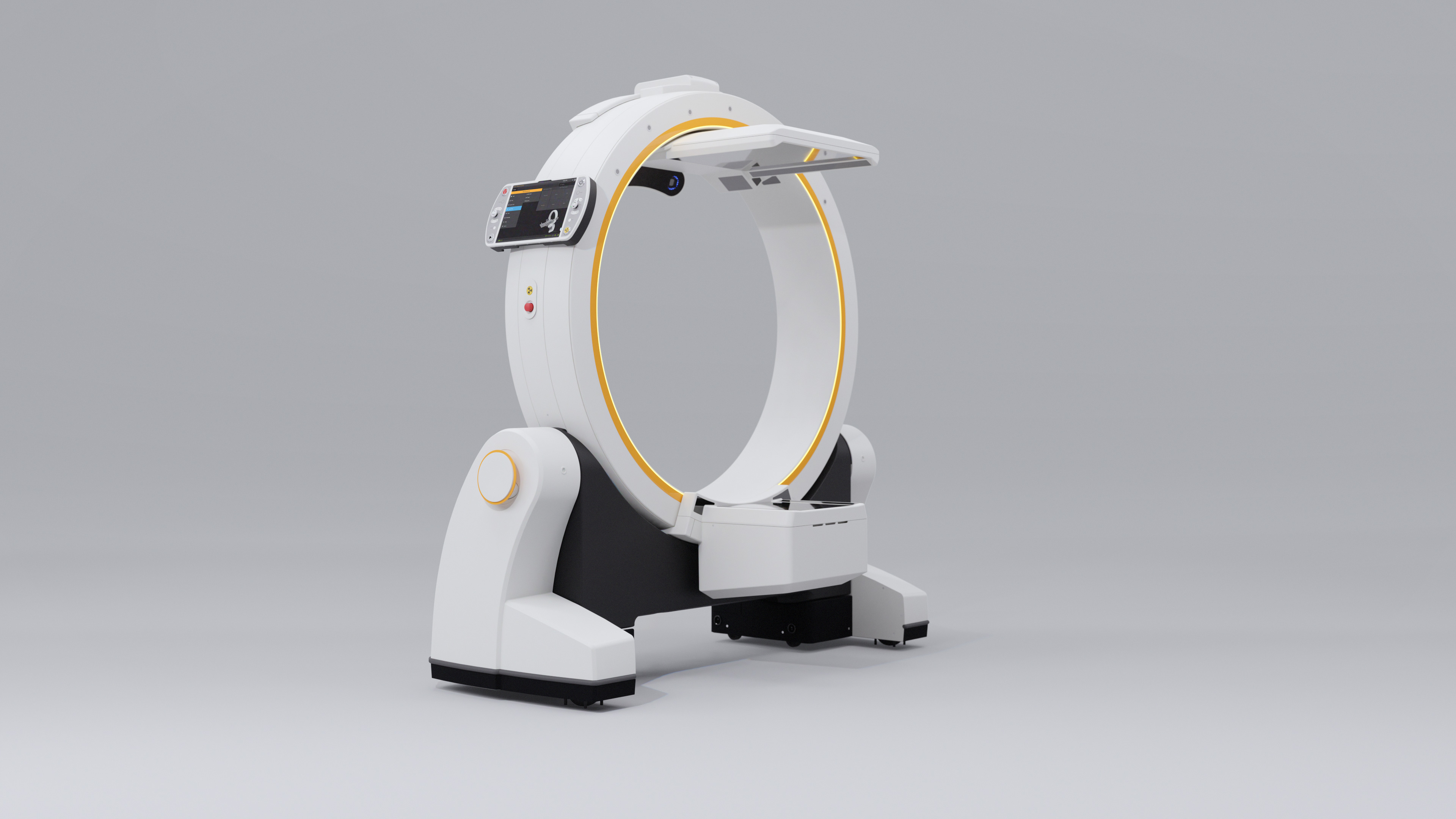
Radiation Dose Stewardship: Imaging More, Exposing Less
Modern imaging and navigation cut radiation for the surgical team. How Loop-X and a dose-aware workflow change what the OR absorbs.
 Microsurgery
PICOCLAMP: When Single Use Wins at the Smallest Scale
CrownJun built a PEEK micro vessel clamp to hold like metal without reprocessing. Where disposable earns its place in microsurgery, and where it does not.
 Digital OR
The Digital Referral: Moving Images, Not Patients, Across the GCC
Brainlab Cloud Services replaces the CD in an envelope with secure sharing, so tumor boards decide faster without moving the patient.
 Spine Surgery
Cirq Robotics: What a Robotic Arm Really Does in Spine Surgery
Brainlab Cirq aligns the instrument to the planned trajectory while the surgeon keeps the drill. Expectations versus what the evidence supports.
 Neurosurgery
NexSpeech: Protecting Speech Before Tumor Surgery
Nexstim navigated TMS maps language cortex non-invasively, giving neurosurgeons a plan to protect speech before resection.
 Orthopedics
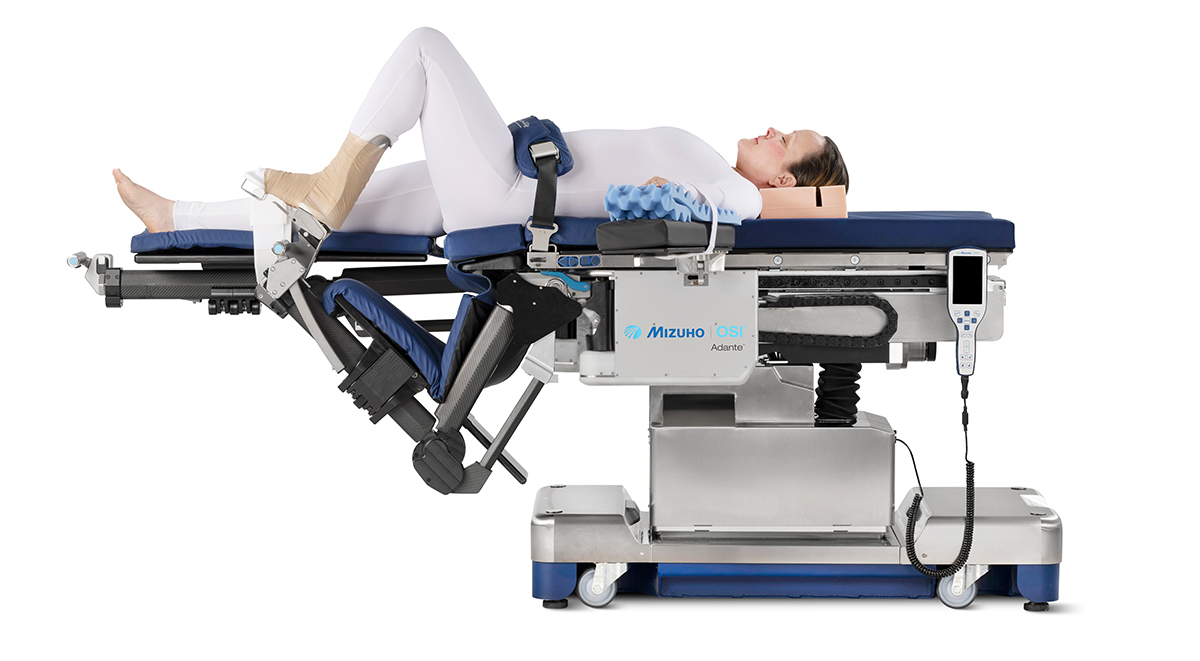
Adante: One Orthopedic Platform for Knee, Hip and Fracture Work
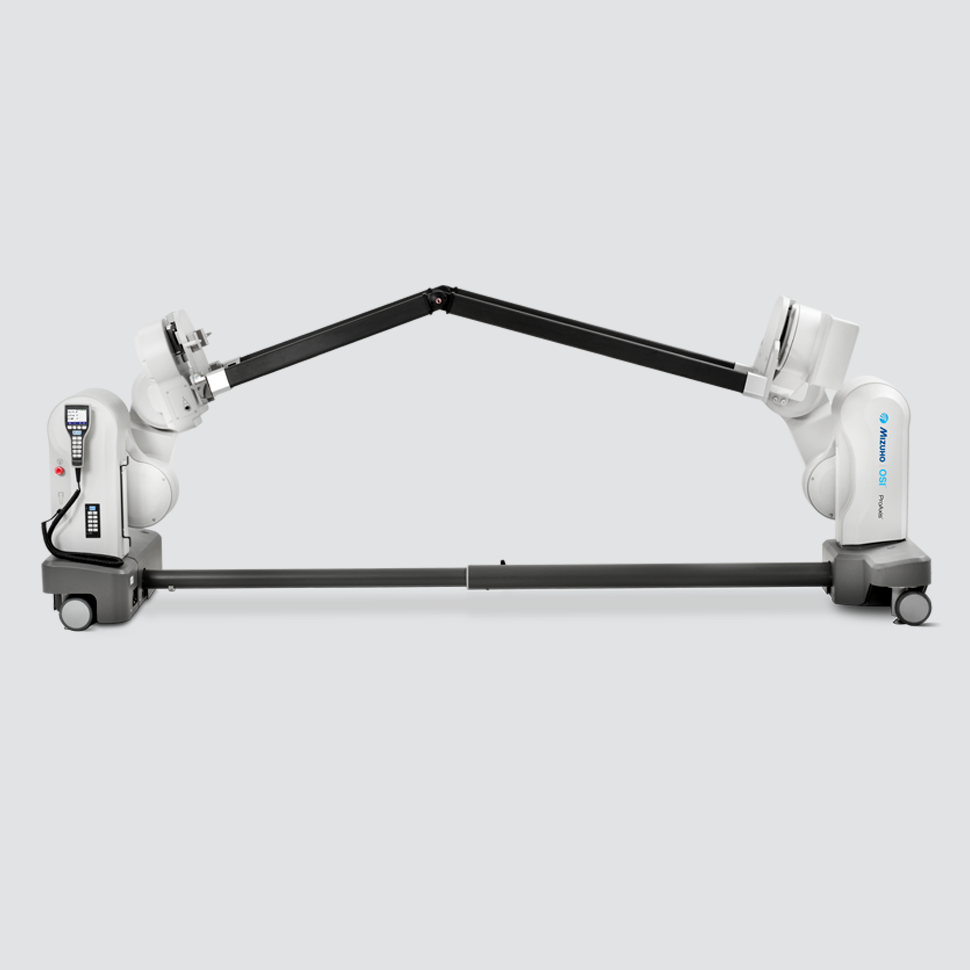
Mizuho OSI's next-generation platform, with FlexLation knee positioning and Femur Lift for the anterior approach.
 Digital Planning
AI in Surgical Planning: What Brainlab Elements Already Does
Automatic segmentation, tumor outlining and trajectory planning, plus the 2026 CE-marked Elements Spine Planning.
 Orthopedics
TraumaCad: Planning Every Implant Before the First Incision
Digital templating on the calibrated X-ray, with a 4,000-implant library and PACS integration.
 Orthopedics
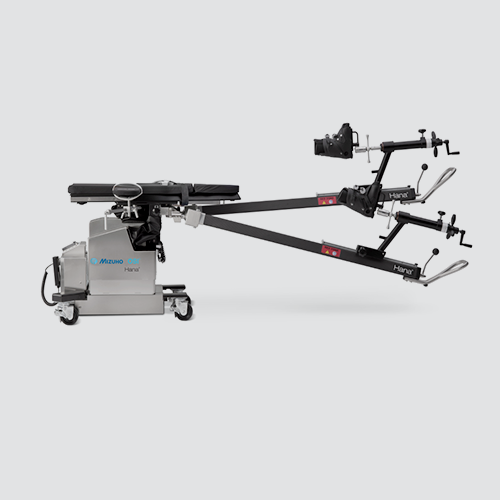
The Anterior Hip Program: Where Digital Planning Meets Positioning
TraumaCad templating and the Hana table, from implant plan to confirmed position.
 Digital OR
The Future of Digital Operating Rooms in the GCC
From isolated devices to one connected surgical workflow, and what it means for procurement.
 Navigation
Surgical Navigation in Neurosurgery and Spine Surgery
Where navigation genuinely changes the work, and what clinical and procurement teams should look for.
 Positioning
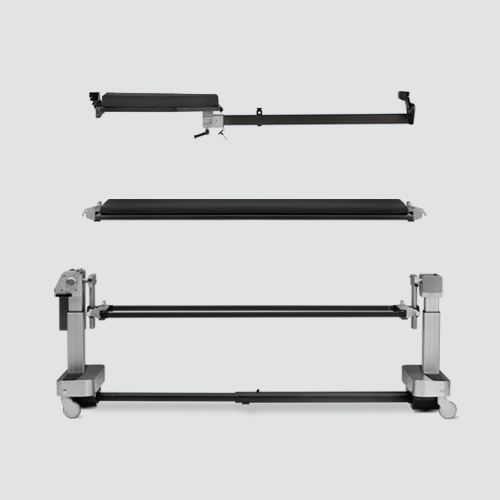
Why Patient Positioning Is a Surgical Decision, Not Furniture
In spine and orthopedic surgery, position shapes access, imaging and outcome.
 Clinical
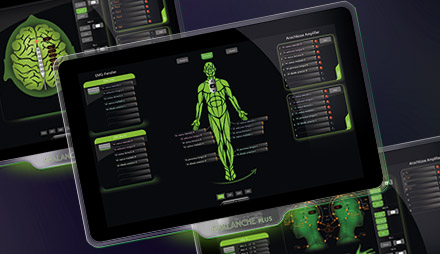
Intraoperative Neuromonitoring: Giving Nerves a Voice
A real-time signal that warns the team before nerve damage is done.
RegenerativeRegenerative Matrices and the Future of Surgical Recovery
Collagen scaffolds that give the body a structure to rebuild itself after surgery.
 Neuro
NeuroMapping the Brain Before the First Incision
Knowing where movement and speech live in each patient changes how a resection is planned.
 Microsurgery
Microsurgery at the Limit of the Human Hand
Working on vessels under a millimeter wide, where the tool must match the hand.
 ENT
ENTENT Navigation: Precision in the Sinus and Skull Base
Staying oriented where critical structures sit millimeters apart.
 Robotics
Robotics and Intraoperative Imaging in Spine and Cranial Surgery
Holding a planned trajectory with steadiness no hand can match.
 Oncology
Stereotactic Radiosurgery: Treating Without an Incision
Focused dose delivered to submillimetric accuracy, often without open surgery.
EcosystemPlan, Operate, Heal: The Case for One Connected Surgical Ecosystem
Why an operating room where everything acts on one plan outperforms many islands.
NavigationOpen or Closed: Choosing a Surgical Navigation Platform
The most important navigation decision is whether the platform stays open to your imaging and implants.
ImagingMobile Intraoperative Imaging and the Rise of Loop-X
Imaging that registers the patient to navigation automatically, during the case.
 Visualization
Mixed Reality in the Operating Room
Patient-specific 3D anatomy that helps the surgeon hold a spatial sense of the plan.
LymphedemaLymphedema Surgery: Where Microsurgery and Regeneration Meet
Supermicrosurgery and regenerative scaffolds brought together in one pathway.
OrthopedicsAnterior-Approach Hip Surgery and the Role of the Table
In anterior-approach hip replacement, the table is part of how the procedure is performed.
ImagingWhy Radiolucent Matters, From Table to Implant
Clean imaging is a chain, from the operating table all the way to the implant.
 Spine
SpineBuilding a Modern Spine Program, Piece by Piece
Navigation, positioning, monitoring and implants that work as one system.
OncologyBrain Metastases: Treating Multiple Targets in One Plan
Single-isocenter planning treats several metastases in one optimized session.