Building a Modern Spine Program, Piece by Piece

Hospitals sometimes try to build a spine program around a single flagship purchase. The stronger programs treat it as a system: navigation to guide the work, positioning to hold the patient, monitoring to protect the nerves, and implants that keep imaging clear. Each piece supports the others.
Guide and position
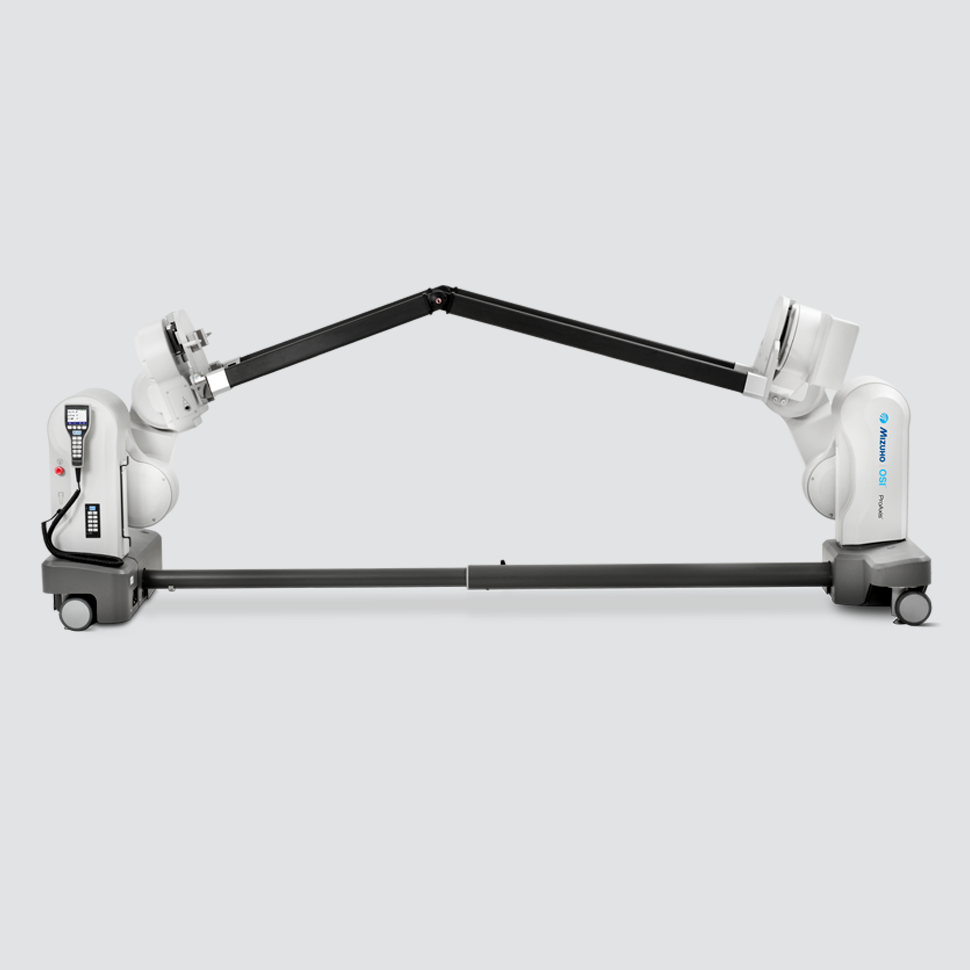
Navigation places hardware accurately against the patient's own anatomy, and radiation-free registration keeps it practical for routine use. Positioning is the quiet partner: a radiolucent, articulating table such as Mizuho OSI ProAxis lets the team set and hold sagittal balance, one of the strongest predictors of how a fusion patient does afterward.
Protect and image clearly
Neuromonitoring runs alongside navigation, warning the team before a nerve is harmed. And the imaging chain matters after surgery too: radiolucent carbon and PEEK fixation keeps follow-up CT and MRI clean, which is valuable in tumor and complex revision work where the area needs to be watched over time.
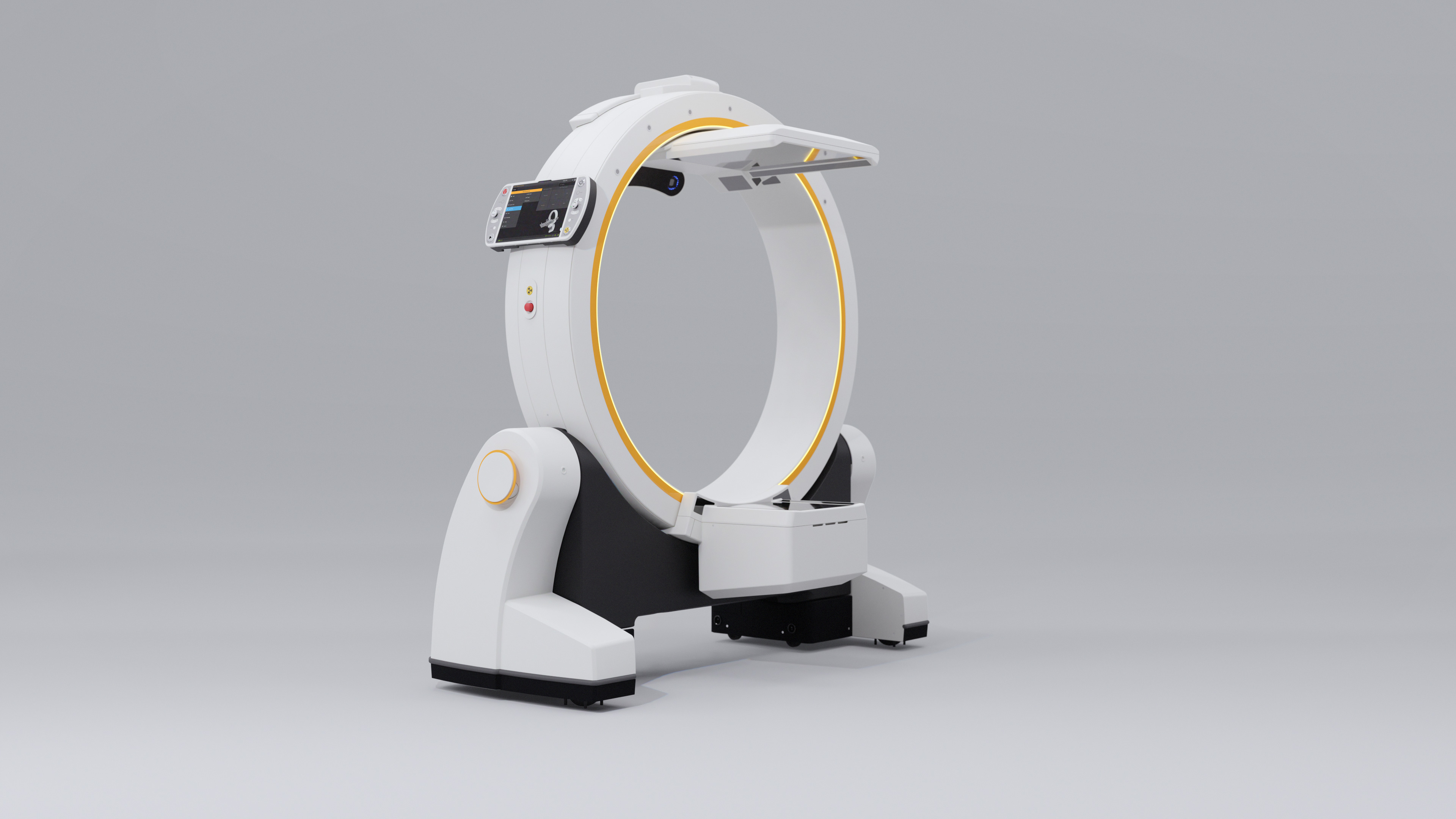
Brainz helps hospitals build spine capability piece by piece, in an order that fits their caseload and budget, so each addition strengthens the whole rather than standing alone.
Product availability, indications, regulatory status and clinical use vary by country and follow manufacturer documentation and applicable regulatory approvals. Trademarks belong to their respective owners.