The Digital Operating Room: Connecting the Modern Theatre in the GCC

Walk into most operating rooms today and you will find capable equipment that does not talk to each other. Navigation runs on one screen, imaging on another, endoscopy on a third. Each system is excellent on its own, yet the surgical team spends real effort bridging the gaps between them. The digital operating room is the response to that problem, and it is quickly becoming the way serious surgical programs in the GCC plan their theatres.
A digital OR is a network layer that routes, displays, records and streams imaging, software and video from many devices onto a single interface. Platforms such as the Brainlab Buzz Digital O.R. let a team pull a navigation view, an endoscopic feed and a planning application onto one screen, then capture the case for documentation, teaching or remote consultation. The room stops being a collection of devices and starts behaving like one system.
Why it matters for hospitals
The clinical argument is workflow. When information is unified, the surgeon keeps attention on the patient rather than on switching between systems. Fewer interruptions, fewer manual transfers of images, and a clearer shared picture for everyone in the room. The operational argument is just as strong. Connected rooms standardize how cases are documented, make data easier to review for quality and training, and create a foundation that new technology can plug into rather than replace.

For procurement teams, the digital OR reframes the purchase decision. The question is no longer which single device to buy, but how a room will grow over the next decade. A connected backbone protects that investment, because navigation, robotics and intraoperative imaging can be added without rebuilding the theatre each time.
Imaging that joins the network
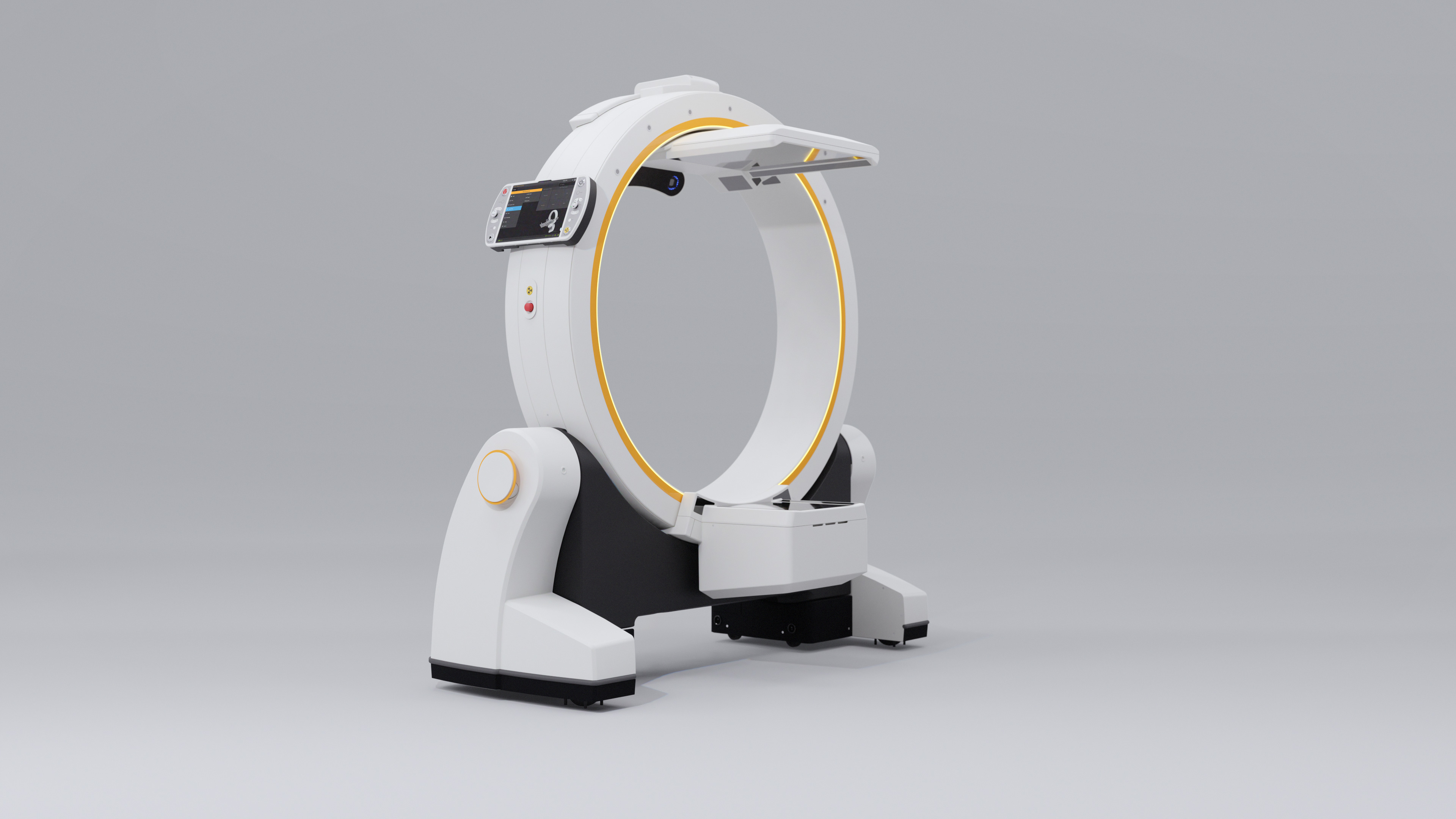
The value compounds when imaging is part of the same system. A mobile imaging robot such as Loop-X delivers intraoperative cone-beam CT and registers the patient to navigation automatically, so a fresh scan during surgery updates the plan everyone is working from. That is the difference between a room full of screens and a room that shares one understanding of the patient.
The Brainz view
Brainz Medical Technology positions the digital OR as the connective tissue of the surgical ecosystem. The value is not any single screen, it is the discipline of one coordinate space and one record across the whole procedure. That is what lets planning at the front of a case carry through to the work at the table and the review afterwards.
Hospitals do not need to digitize everything at once. The practical path is to start with the rooms that carry the most complex caseload, build the connected backbone there, prove the workflow, and expand as confidence grows. Done well, the digital OR is less a product and more a standard the whole surgical service grows into.
Product availability, indications, regulatory status and clinical use vary by country and follow manufacturer documentation and applicable regulatory approvals. Trademarks belong to their respective owners.