ENT Navigation: Precision in the Sinus and Skull Base

The sinuses and skull base pack critical anatomy into a very small space. The orbit, the optic nerve, the carotid and the skull base sit within millimeters of the surgical field, often out of direct line of sight behind an endoscope. ENT navigation exists to keep the surgeon oriented in exactly this kind of terrain.
Guidance without line of sight
Electromagnetic navigation, such as the Brainlab ENT application, tracks instruments without the line-of-sight limits of optical systems. Marker-free registration removes setup steps, animated guidance shows the instrument against the patient's scan, and sterile remote control keeps the surgeon in command. The aim is more complete and more confident endoscopic sinus surgery, particularly where anatomy is distorted.

Why hospitals adopt it
For revision cases and complex anatomy, navigation gives the team a reference when landmarks are absent or altered by previous surgery. It supports thorough resection while helping protect the structures that make sinus and skull base surgery unforgiving. It also has value in training, because it makes the surgeon's orientation visible to the whole team.
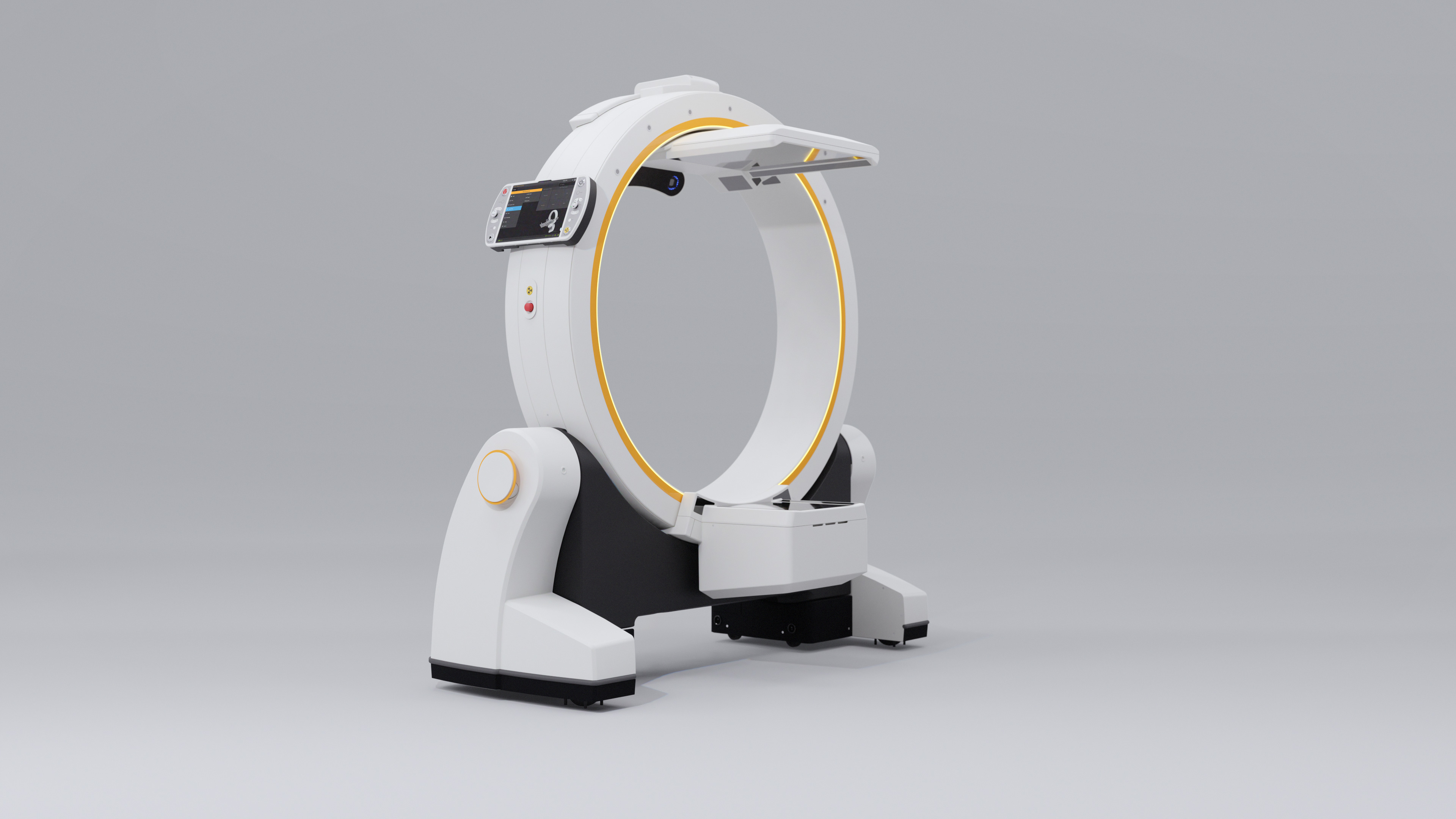
Brainz works with ENT teams to bring navigation into the cases where orientation is hardest and the benefit is clearest, supported by training so the system is trusted from the first case.
Product availability, indications, regulatory status and clinical use vary by country and follow manufacturer documentation and applicable regulatory approvals. Trademarks belong to their respective owners.