Intraoperative Neuromonitoring: Giving Nerves a Voice in Theatre
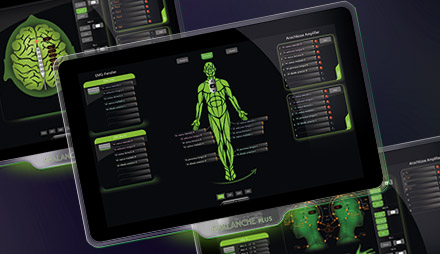
In many procedures the greatest risk is not what the surgeon removes, it is what must be protected. Motor and sensory nerves run close to the surgical field in neuro, spine, ENT and thyroid surgery. Intraoperative neuromonitoring, or IONM, gives the team a real-time voice for those nerves, turning a silent risk into a signal the surgeon can act on.
How it works in practice
IONM continuously assesses and localizes nerves during surgery. A high-channel monitor such as the Langer Medical Avalanche PLUS records electrical responses and alerts the team when a structure is at risk, often before any visible sign appears. That early signal is what allows a surgeon to pause or adjust before a deficit becomes permanent. With up to 32 channels, the platform can watch many pathways at once during complex work.
The goal is straightforward. Fewer post-operative deficits, more confidence to operate close to critical structures, and a clearer picture of nerve function throughout the case rather than only at the end.

Working alongside navigation
Monitoring is strongest when it is part of a coordinated room. Real-time nerve feedback runs alongside navigation, so the surgeon places hardware accurately and is warned at the same time if a nerve is under stress. The two systems answer different questions, where am I, and is the patient safe, and together they cover more of the picture than either does alone.

From optional to expected
Neuromonitoring has moved from a specialist add-on to an expected part of many complex procedures. As caseloads grow more demanding, the ability to monitor many channels at once, with an interface the team can read quickly, becomes the difference between data and usable guidance. Brainz supports hospitals adopting IONM with the technical coordination and training that make the signal trustworthy in the room, because monitoring only protects the patient when the team can act on it without hesitation.
Product availability, indications, regulatory status and clinical use vary by country and follow manufacturer documentation and applicable regulatory approvals. Trademarks belong to their respective owners.