Mobile Intraoperative Imaging and the Rise of Loop-X
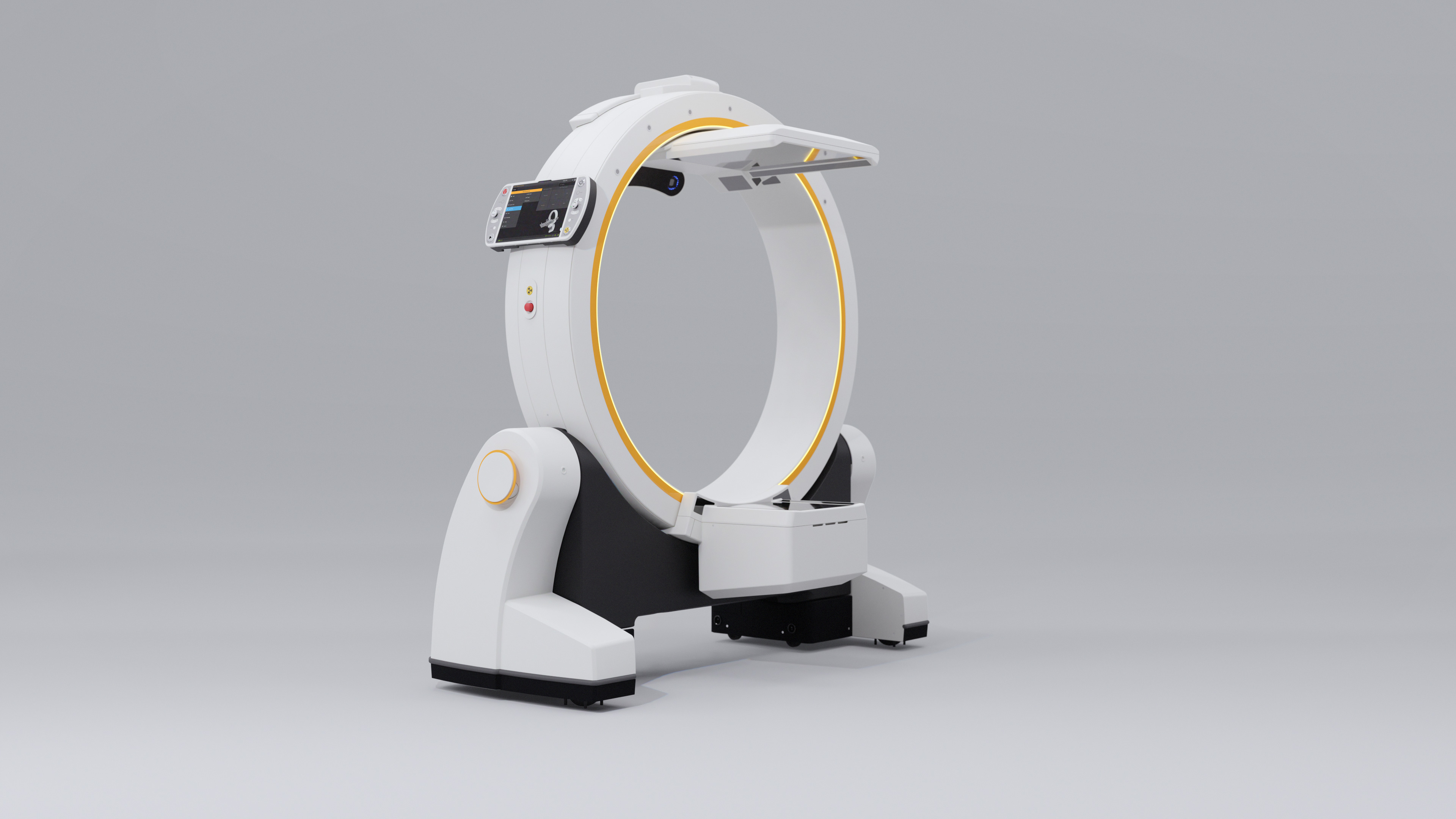
For years, intraoperative imaging meant wheeling a C-arm in and out and hoping the picture lined up with the plan. Mobile imaging robots have changed that. A platform such as Brainlab Loop-X delivers intraoperative 2D and 3D cone-beam CT, with off-centered acquisition and dose reduction, and it registers the patient to navigation automatically.
One coordinate space
The automatic registration is the point. When a fresh scan during surgery updates the navigation plan without manual matching, the image, the plan and the instruments all share one coordinate space. The team can verify position during the case rather than discovering a problem on a post-operative scan.

Part of a connected room
Imaging is most powerful when it feeds the rest of the room. Routed into a digital OR, an intraoperative scan can be displayed, recorded and shared on the same interface the team already uses, closing the loop between seeing and acting.

Brainz works with hospitals to bring mobile imaging into navigated spine and cranial programs, where confirming position during surgery has the clearest clinical value.
Product availability, indications, regulatory status and clinical use vary by country and follow manufacturer documentation and applicable regulatory approvals. Trademarks belong to their respective owners.