Mapping the Brain Before the First Incision
Two brains are never quite alike. The exact location of the areas that control movement and speech varies from person to person, and a lesion can shift them further. For a neurosurgeon planning a resection near eloquent cortex, that uncertainty is the central challenge. The more that can be learned before the incision, the better the plan.
A functional map, non-invasively
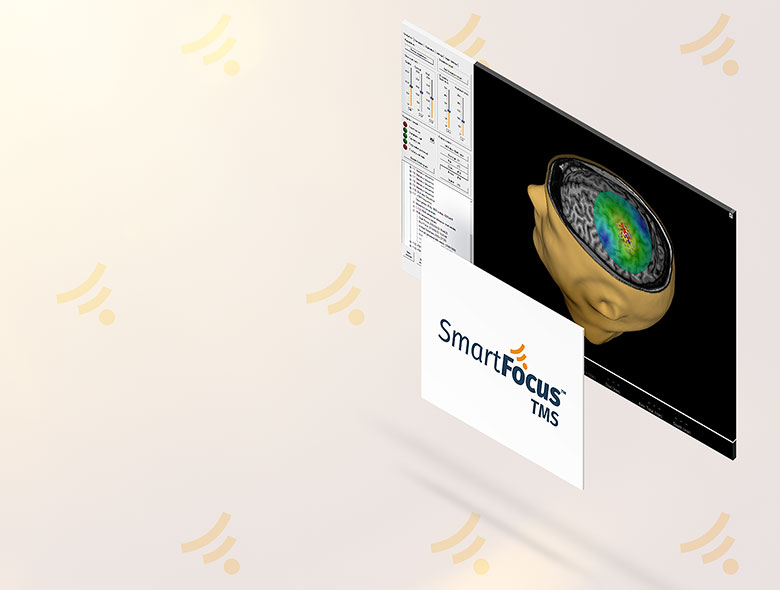
Navigated brain stimulation makes that map visible before any incision. Using the patient's own MRI, the Nexstim NBS System applies navigated transcranial magnetic stimulation to map the primary motor cortex non-invasively, and a speech module localizes cortical language areas. The team learns the spatial relationship between the lesion and the functions that must be preserved. The technology is FDA-cleared for motor mapping and adds this functional layer without surgery and without ionizing radiation.
Better information, safer plans
Richer functional insight feeds straight into surgical planning. When the surgeon knows where eloquent areas sit, the approach can aim for a more complete resection while protecting function. The map does not make the decision, but it gives the team a far better basis for it, and it can change the conversation with the patient about what is achievable and what the risks are.

Part of the plan stage
In the Brainz ecosystem, brain mapping deepens the planning stage. The functional picture it produces flows into the navigation plan that guides the operation, so insight gathered before surgery is not lost once the case begins. Plan and navigation share the same patient model, which is the principle behind the whole connected approach.

For neurosurgical programs building toward awake and eloquent-area surgery, non-invasive mapping is a practical first step. Brainz supports teams bringing this capability into the planning pathway where it strengthens decision-making and patient counseling.
Product availability, indications, regulatory status and clinical use vary by country and follow manufacturer documentation and applicable regulatory approvals. Trademarks belong to their respective owners.