Why Patient Positioning Is a Surgical Decision, Not Furniture
It is easy to think of the operating table as furniture. In spine and orthopedic surgery it is closer to an instrument. How the patient is positioned determines surgical access, the quality of intraoperative imaging, and how safely a long, complex case can be carried out. Get position right and the rest of the procedure is easier. Get it wrong and every later step inherits the problem.
Radiolucent and modular
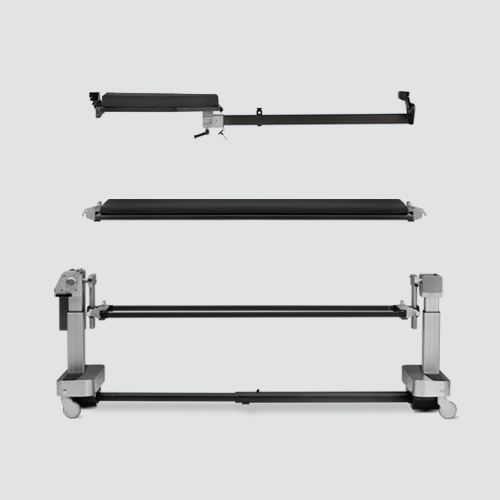
Modern surgical tables are built to disappear from the image. Radiolucent carbon fiber tops give unobstructed X-ray and imaging access, which matters when navigation and intraoperative scans depend on a clean picture. Modular platforms such as the Mizuho OSI Trios system carry interchangeable spinal, imaging and trauma tops on one base, so a hospital can configure the table to the case rather than the other way around.
The ProAxis spinal table
Some tables do more than hold a position, they actively shape the spine during surgery. The Mizuho OSI ProAxis Spinal Surgery Table is the clearest example. It lets surgeons flex and extend the lumbar spine intraoperatively through a radiolucent hinge, which improves access during decompression and helps restore sagittal balance during fusion. A coordinated Torso Trolley manages torso translation as the spine is articulated, so the change in position is controlled rather than improvised.
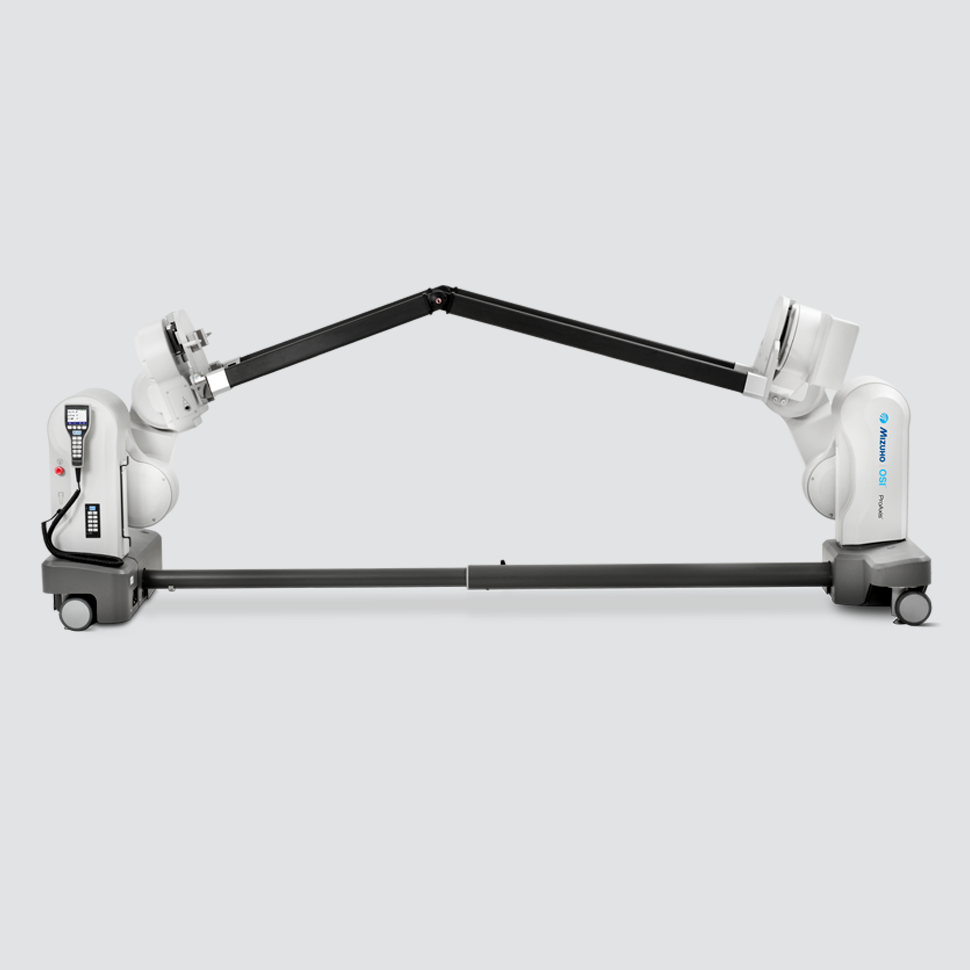
That capability matters because sagittal balance is one of the strongest predictors of how a patient does after spinal fusion. A table that helps the surgeon set and hold the right position contributes directly to the goal of the operation, not just to the comfort of the setup.
Orthopedic positioning
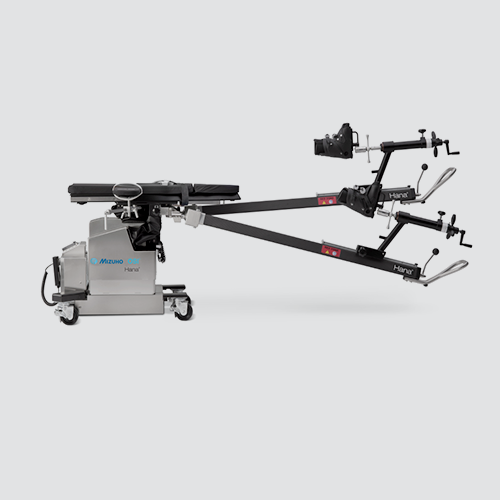
The same principle extends to orthopedics. An orthopedic table that positions each leg independently and applies traction enables anterior-approach total hip replacement, hip fracture work, hip arthroscopy and lower-limb trauma. Precise, repeatable limb positioning is what makes these approaches reproducible from one case to the next.
The quiet contribution to safety
Precise, repeatable positioning reduces setup error and protects the patient through procedures that can last many hours. It also keeps the patient aligned to the navigation plan, so the coordinate space the team planned in stays valid at the table. Brainz treats positioning as part of the surgical pathway, not an afterthought. The right platform is the one that holds the patient exactly where the rest of the technology expects them to be.
Product availability, indications, regulatory status and clinical use vary by country and follow manufacturer documentation and applicable regulatory approvals. Trademarks belong to their respective owners.