Why Radiolucent Matters, From Table to Implant
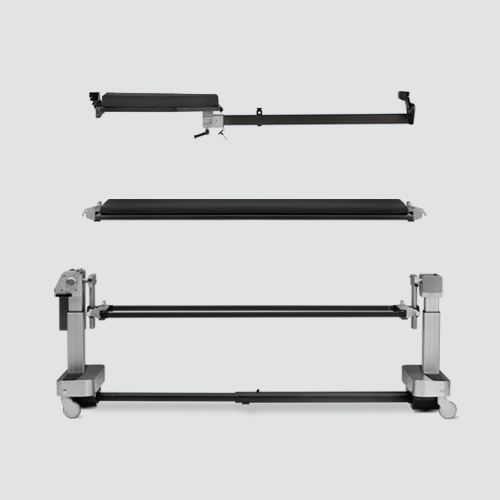
Radiolucency is easy to treat as a feature on a spec sheet. In practice it is a chain, and the chain is only as strong as its weakest link. A perfectly radiolucent table does little if the patient is then held on a metal frame that blocks the view, and clean intraoperative imaging is wasted if the hardware left in the patient scatters the picture.
Starting at the table
It begins with positioning. Radiolucent carbon fiber tables such as the Mizuho OSI Trios system give unobstructed imaging access, so intraoperative scans and navigation work from a clean picture rather than fighting artifact from the table itself.

Through imaging and follow-up
The same logic runs through the rest of the case and beyond it. Intraoperative imaging and navigation depend on a clear field, and radiolucent carbon and PEEK implants keep post-operative CT and MRI clean while making radiotherapy planning more accurate. That matters most in spinal oncology and complex cases, where the team needs to see the treated area clearly for months afterward.
An end-to-end requirement
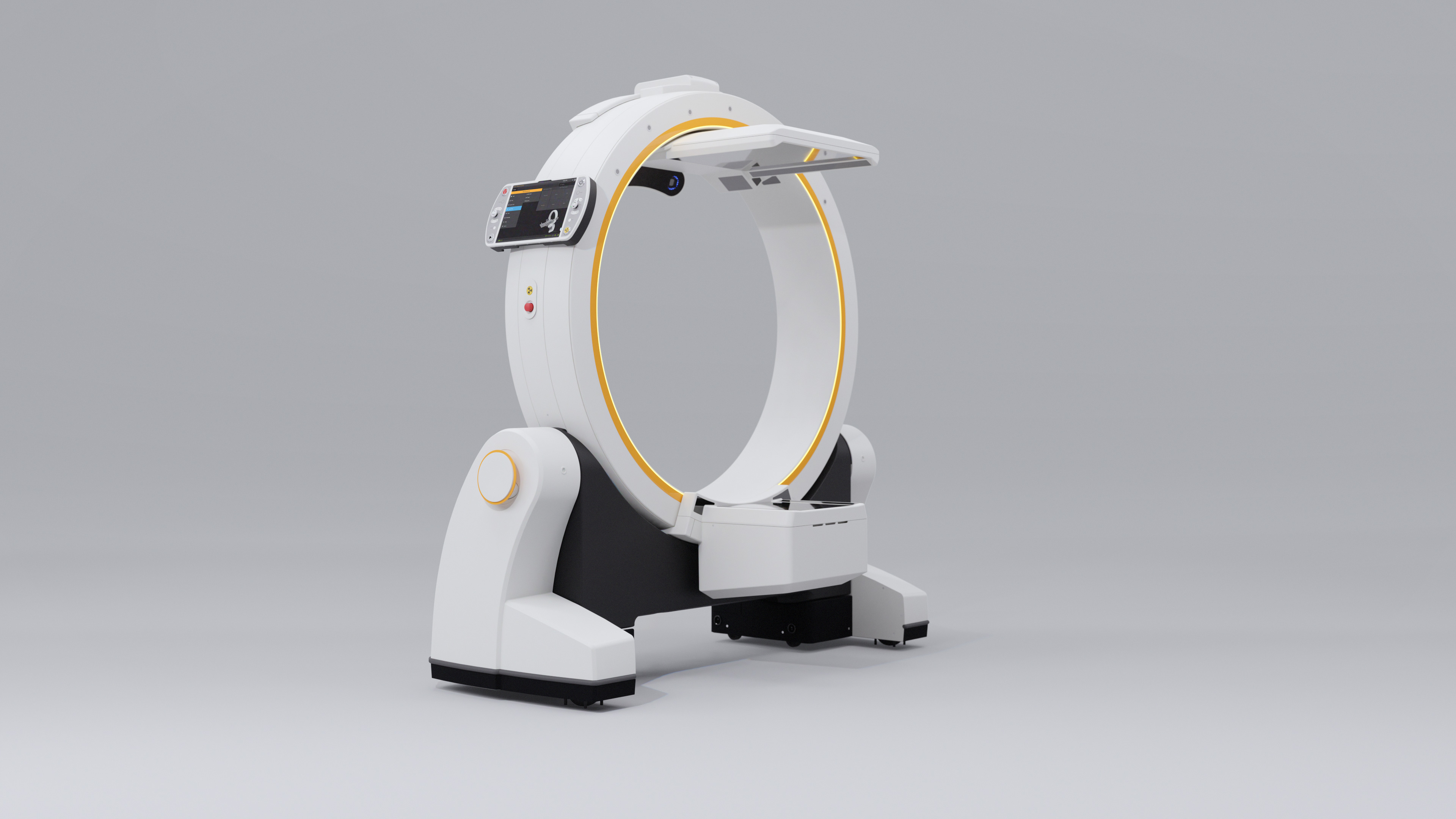
Brainz looks at imaging as an end-to-end requirement, not a single feature. When the table, the imaging and the implant are all imaging-friendly, the team sees clearly during surgery and for the months of follow-up that come after.
Product availability, indications, regulatory status and clinical use vary by country and follow manufacturer documentation and applicable regulatory approvals. Trademarks belong to their respective owners.