The Hybrid OR Business Case: Why Utilization Decides the Return
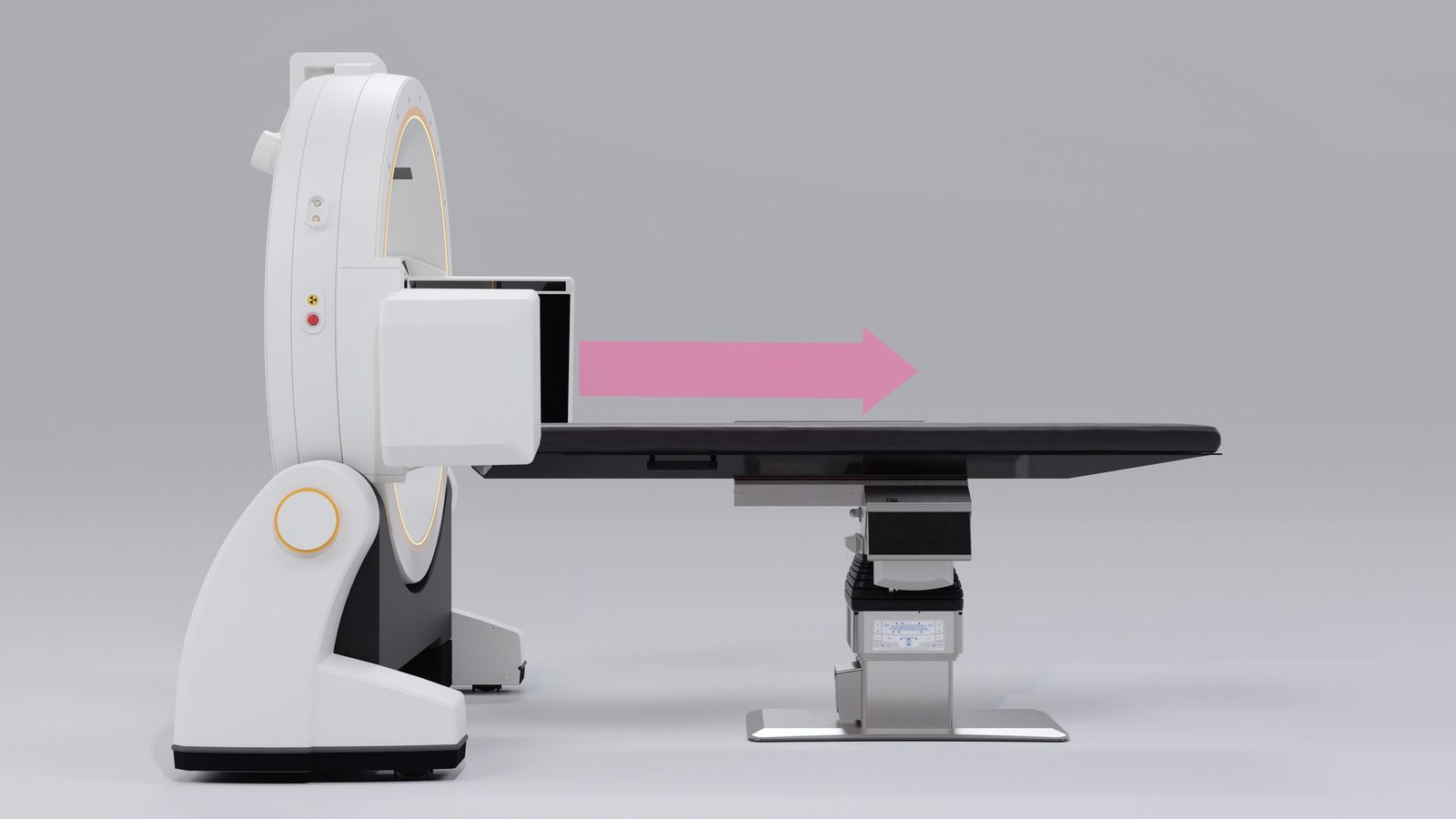
A hybrid operating room is easy to approve as a statement and harder to defend as a budget line. Across the GCC, hospitals are adding surgical capacity as healthcare spending is forecast to reach USD 170.5 billion by 2030 (BCC Research, as cited by PharmaKnowl). The question a board asks is simple: will the room be used often enough to justify what it costs? The evidence gives a clear answer, and it starts with an uncomfortable number.
What a hybrid OR really costs to run
A 2020 bottom-up cost analysis in the International Journal of Health Policy and Management compared conventional and hybrid rooms in five Dutch hospitals. A conventional OR cost about 9.45 euros per minute. A hybrid OR, defined as a room with at least a fixed C-arm, cost about 19.88 euros per minute (2018 euros). The hybrid rooms averaged 85.4 square meters against 48.5 for a conventional room, and the fixed imaging equipment alone drove about 40 percent of fixed costs.
The same study found that the hybrid rooms were running at roughly 43 to 48 percent utilization, against 92 percent for conventional rooms. That is the number to remember. When the authors tested each input, utilization moved the hybrid cost per minute far more than any other: going from 50 to 100 percent utilization changed it by about 4.96 euros per minute, against 1.73 for a conventional room.
Utilization is the business case
The same logic appears in the practical literature. A 2024 narrative review in the Journal of International Medical Research on operationalising a hybrid OR recommends phasing capacity in gradually, writing procedure-specific protocols and using block scheduling, where similar cases are grouped on set days to reduce equipment changeover. It expects savings from fewer theatre visits, ICU days and readmissions to appear after roughly one to two financial years, and notes that a new room runs less efficiently until the team gains experience.
For a hospital this means the room should be justified by several services, not one. Cranial, spine, trauma and ENT teams can share the same imaging and navigation infrastructure, and each added service lifts the hours the room is actually working. A digital operating room planned around three or four specialties has a very different return from a suite built for a single champion surgeon.
Fixed suite or mobile imaging
Not every hospital needs a fixed-imaging suite to reach image-guided surgery. The OR Today overview of hybrid rooms puts a conventional OR at around 700 square feet and a hybrid at 1,000 to 1,200. Retrofitting an existing theatre can mean structural work such as floor cut-outs and ceiling reinforcement, and the 2024 review notes that imaging-only tables can limit positions such as lithotomy and beach chair.
Brainlab Loop-X takes a different route. It is a mobile imaging robot delivering intraoperative 2D and 3D cone-beam CT, with off-centered acquisition and dose reduction, and it registers the patient to navigation automatically. Because it is mobile, one imaging platform can serve more than one specialty and more than one room, which spreads its cost over more cases. Fixed suites still make sense for high-volume vascular and endovascular programs. For neuro, spine and trauma, mobile imaging deserves a place in the comparison.
Staffing and service decide the first year
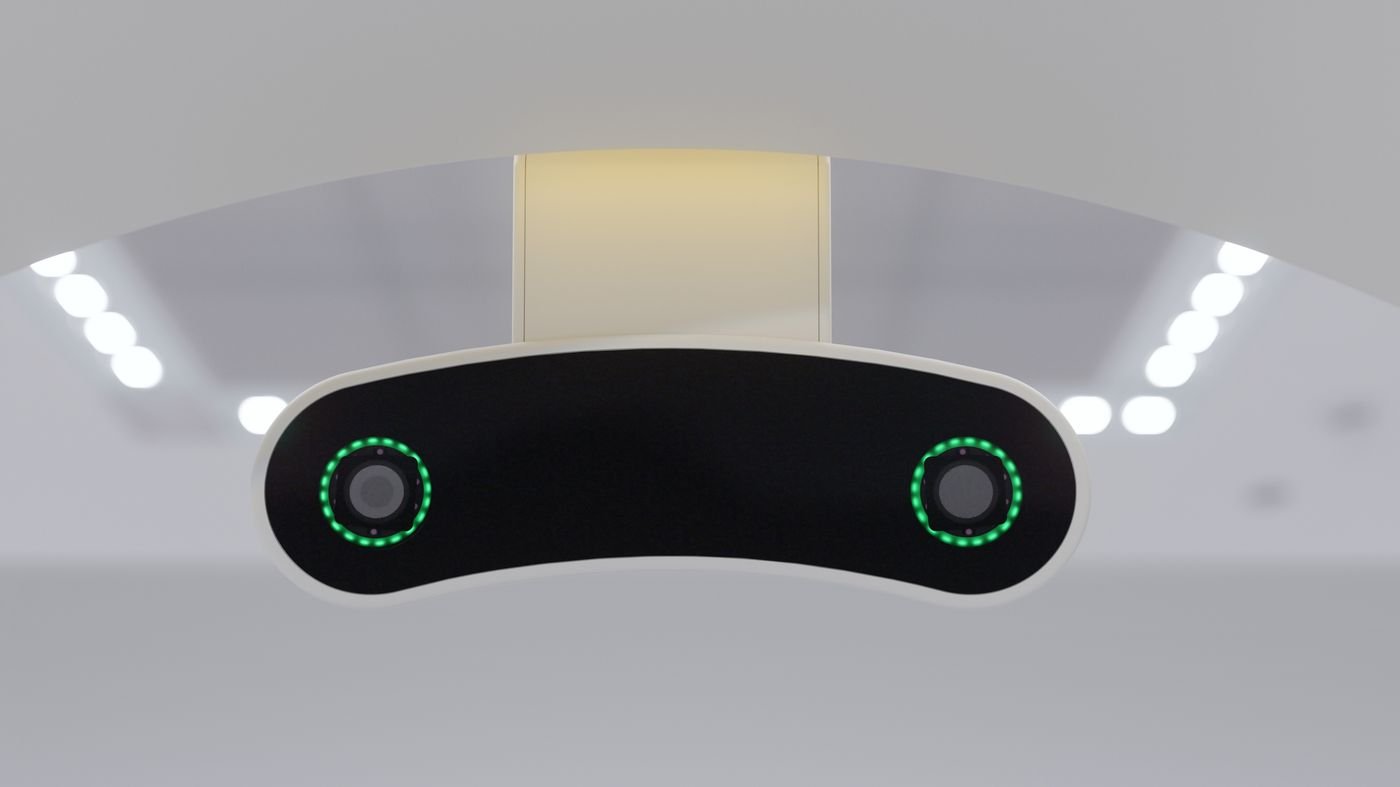
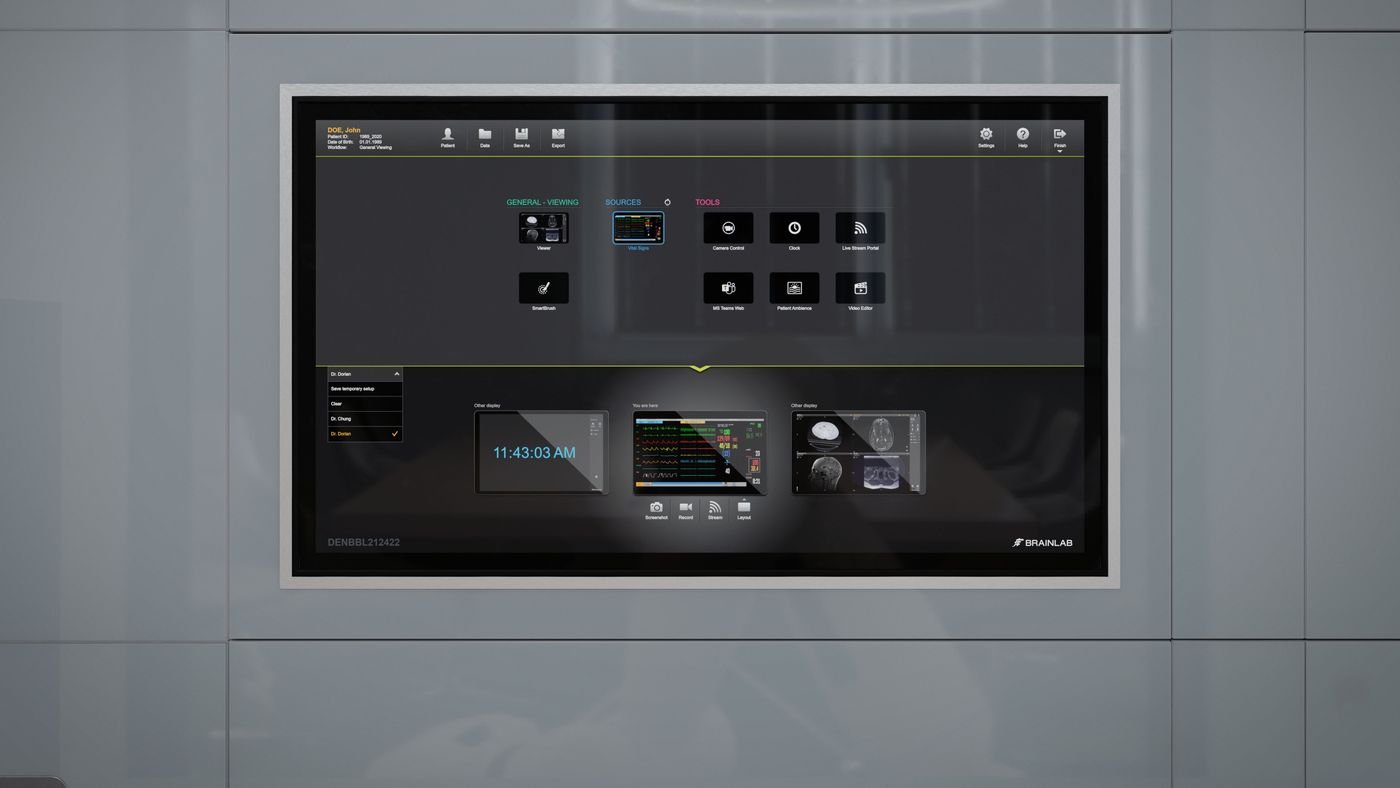
The 2024 review is candid that no formal staffing guidelines exist for hybrid rooms. Early use usually needs more staff, including nurses and radiographers who understand both open and image-guided work, and a dedicated coordinator helps. Full team simulations before go-live are widely recommended. A digital layer such as Buzz Digital O.R. supports this by recording and streaming cases for training and review, and the dose stewardship protocols a team adopts at the start protect staff for years.
Before approving a room, a hospital should be able to answer five questions. Which services will share it, and how many cases per week is each committing to by month twelve? What is the block schedule? Who staffs it, and how are they trained? What is the service and uptime commitment from the vendor? And which imaging approach, fixed or mobile, fits the case mix rather than the brochure?
Brainz supports hospitals across the UAE and GCC with this planning: case mix modelling, room and workflow design, installation, team training and long-term service across neurosurgery, spine and ENT. If a hybrid OR is on your capital plan, a business case workshop with our team is a practical first step.
Product availability, indications, regulatory status and clinical use vary by country and follow manufacturer documentation and applicable regulatory approvals. Trademarks belong to their respective owners.