PICOCLAMP: When Single Use Wins at the Smallest Scale

Disposable is usually the cheaper answer, not the better one. Microsurgery is one of the few places where that assumption breaks down, because the instrument is so small that any loss of grip or geometry changes the operation. CrownJun built PICOCLAMP for exactly that problem, and Brainz brings it to microsurgery teams across the UAE and GCC.
Why the clamp had to change
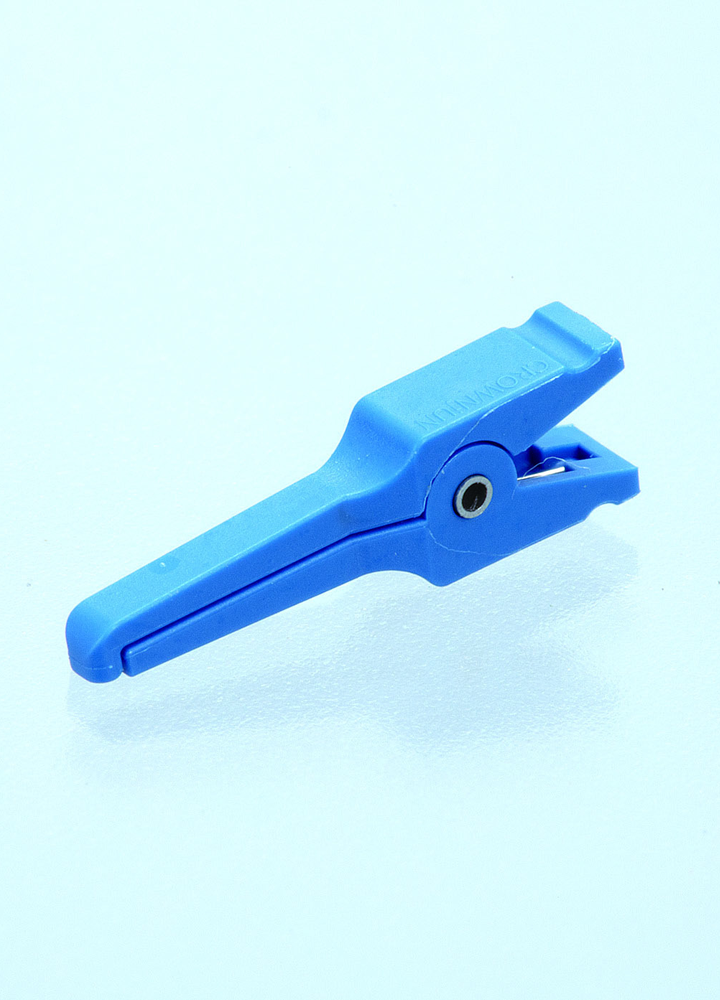
A micro vessel clamp has one job: hold a vessel still, gently, while the anastomosis is made. When CrownJun started developing PICOCLAMP, almost every clamp on the market was metal and designed to be used many times. Metal is strong, but every reuse means a full cleaning and sterilization cycle, and the company describes hygiene as the concern that started the project. The design goal was a disposable clamp with strength close to metal.
PEEK, and why the material decision mattered
Ordinary plastics could not match metal in the hand. CrownJun settled on PEEK, a high performance engineering polymer that clamps without deforming. That decision created a second problem, because a company built on precision metal processing had to build a resin manufacturing process from scratch to supply it consistently. The material is the visible part of PICOCLAMP. The manufacturing discipline behind it is the reason a single use part can behave predictably every time.
Where single use makes sense, and where it does not
Single use is not a philosophy to apply across a whole tray. It earns its place where reprocessing is either risky or disproportionate to the value of the item. A micro vessel clamp qualifies on both counts: it is small, it is easy to damage, and inspecting it properly after cleaning takes effort that scales badly across a busy department. The same logic applies to the sterile single use Micro-Scale for measuring vessels under the microscope and the contrast background sheets that sit under the tissue.
Precision instruments are the other side of the argument. Needle holders and forceps are held for hours and are chosen by feel, which is why surgeons stay with trusted reusable instruments unless a disposable matches the tolerance exactly. CrownJun supplies both, and the honest answer for most theatres is a mixed tray rather than a single rule.

The wider shift, and what is driving it
The move is not confined to microsurgery. Market analysts put the global single use surgical instrument market at around USD 5.9 billion in 2025, growing toward USD 7.8 billion by 2030, with infection control, rising surgical volume and the growth of ambulatory surgical centers named as the main drivers. Day case centers in particular have limited sterile processing capacity, so validated pre sterile items remove a whole reprocessing cascade from their compliance burden.
At the same time, supermicrosurgery itself is expanding. Lymphaticovenular anastomosis has moved from a handful of specialist centers to a recognized option for lymphedema, supported by better preoperative imaging. More centers performing work at 0.3 to 0.8 mm means more demand for consumables that behave the same way in every case.
What Brainz adds
Brainz supports microsurgery programs across the region with the full CrownJun range, from 12-0 sutures to clamps, instruments and accessories, and connects them to regenerative solutions such as Fibralign BioBridge for teams building lymphatic reconstruction services. Supply consistency matters as much as the product here, because a technique practised at the limit of vision cannot depend on whatever arrived that week. If you are starting or scaling a microsurgery service, a conversation about your case mix is the practical first step.
Product availability, indications, regulatory status and clinical use vary by country and follow manufacturer documentation and applicable regulatory approvals. Trademarks belong to their respective owners.